ARB snatch straps feature a genuine 20% stretch, which not only aids recovery performance but also minimizes the risk of damage caused by sudden force transfer. Manufactured to strict quality standards and laboratory tested by a NATA-approved facility, thi
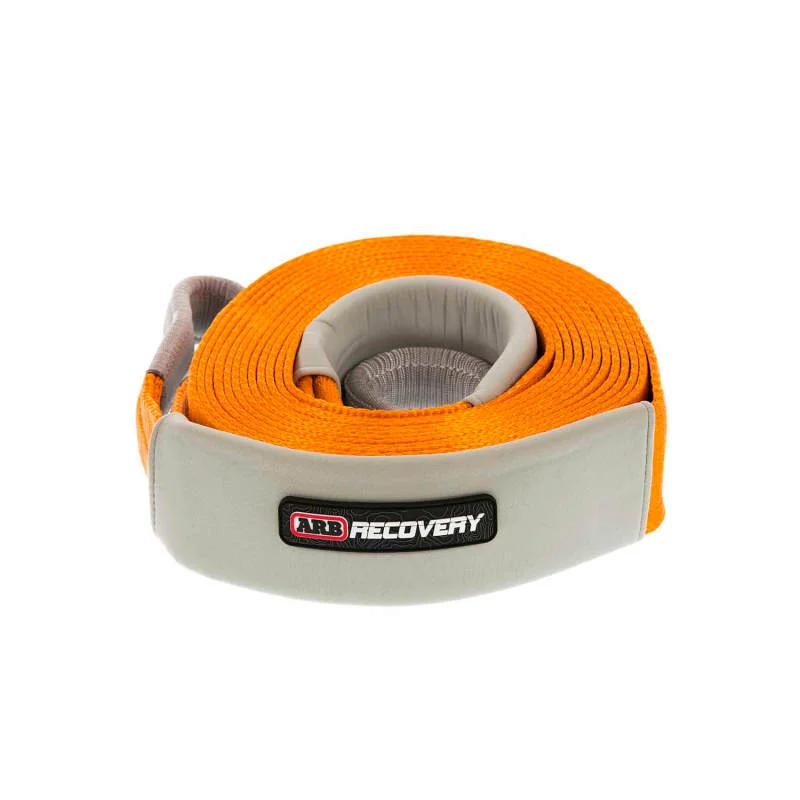
ARB snatch straps feature a genuine 20% stretch, which not only aids recovery performance but also minimizes the risk of damage caused by sudden force transfer. Manufactured to strict quality standards and laboratory tested by a NATA-approved facility, this strap delivers reliable performance when it matters most.
High visibility coloring improves safety during recoveries, while reinforced eyes and protective sleeves ensure durability and easier shackle attachment in real world use.
Specifications
Fitment
Tech Insight
A snatch strap is specifically designed for vehicle recovery and features a controlled stretchup to 20% in the case of this ARB strap. That stretch stores kinetic energy and helps pull a stuck vehicle free with less shock loading. A standard tow strap typically does not stretch and is intended for towing rather than recovery.
The 20% stretch is what makes a true kinetic recovery strap effective. As the recovery vehicle moves forward, the strap stretches and stores energy before releasing it smoothly into the stuck vehicle. This helps reduce sudden impacts on recovery points, frame components, driveline parts, and passengers.
The ARB 24,000 lb Snatch Strap is commonly used for Jeeps, 4x4 trucks, overland vehicles, rock crawlers, and other off-road vehicles. Proper strap selection should always be based on vehicle weight, terrain conditions, and the overall recovery system. All recovery points, shackles, and accessories should be properly rated for the intended load.
Yes. This ARB recovery strap works well with both soft shackles and rated steel shackles when used correctly. Many off-road enthusiasts prefer soft shackles because they are lightweight, easy to handle, and help reduce the risk of damage during recovery operations.
After every recovery, inspect the strap for cuts, tears, fraying, melted fibers, chemical contamination, or excessive abrasion. Allow the strap to dry completely before storage and keep it out of prolonged direct sunlight when not in use. Proper care helps maximize the lifespan and safety of your recovery equipment.